Are Mongols Still Nomadic? Unpacking the Ger-Next-Door Stereotype
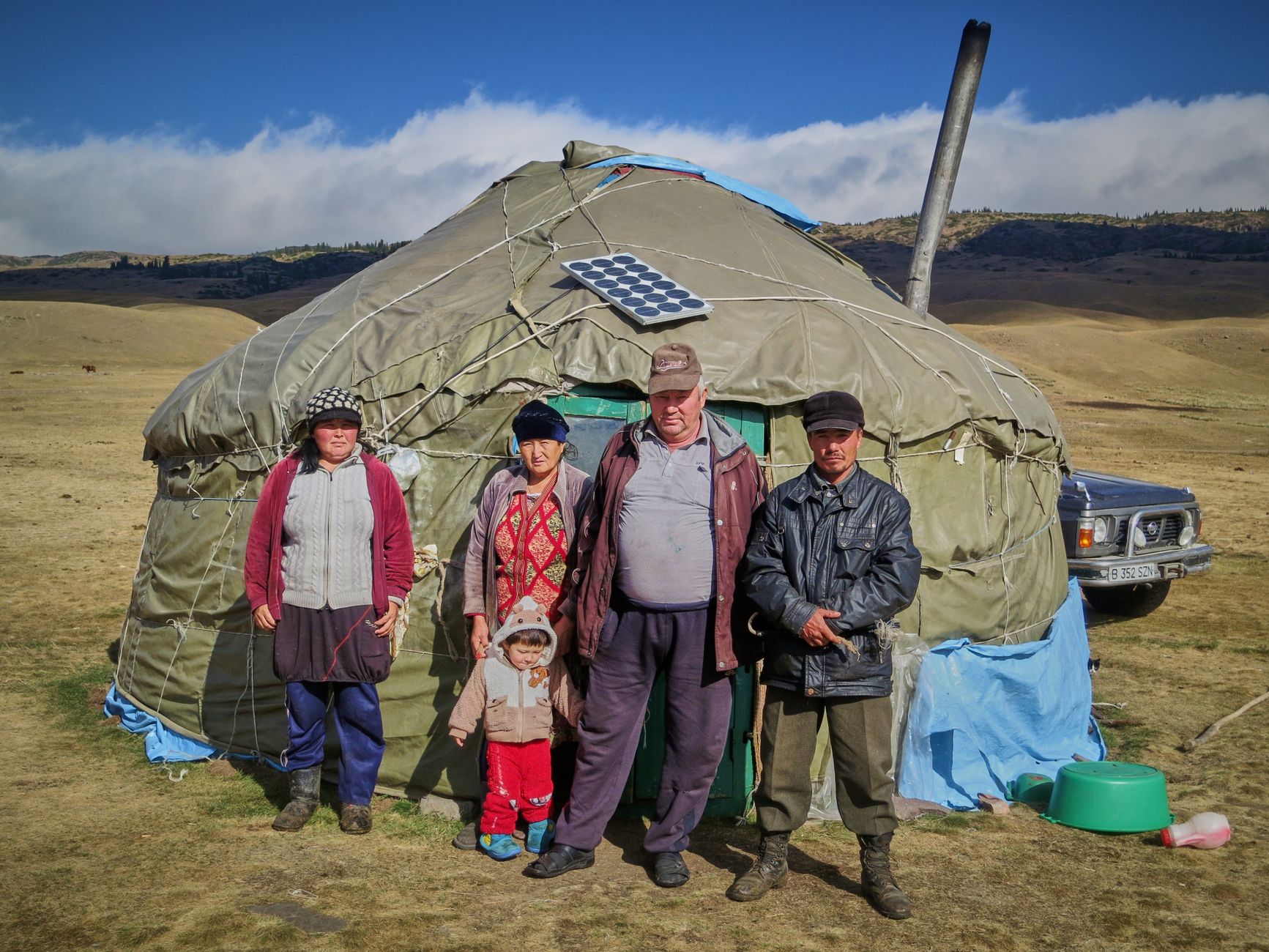
While the romantic image of horse-riding nomads persists, the reality is more complex. A whopping 69% of Mongolians now live in urban areas (World Bank, 2023), dramatically shifting the traditional nomadic lifestyle. However, pastoralism remains a vital cultural and economic backbone, making 'still nomadic' a nuanced, not a simple, answer.
📊 Data Dive: The Numbers Don't Lie (Mostly)
Hold your horses, stereotype-busters! When we talk about Mongolia, the first image is often a vast steppe and a lone rider. But let's crunch some numbers and see what's really happening on the ground.
First, the big one: Mongolia's urbanization rate hit 69% in 2023 (World Bank). That's right, nearly seven out of ten Mongolians are now city dwellers, mostly concentrated in the capital, Ulaanbaatar. This isn't exactly the 'everyone lives in a ger' narrative you might have in your head.
However, the nomadic spirit isn't completely packed away. The country still boasts an incredible 71 million heads of livestock (FAO, 2023). This massive number underscores that pastoralism, even if fewer people are actively herding full-time, remains a colossal economic and cultural force. Imagine a country with more than 20 animals for every person!
Economically, Mongolia's GDP per capita was $5,460 in 2023 (World Bank), indicating a developing nation integrating into the global economy. The average Mongolian worker puts in around 2,200 hours per year (ILO, 2022), reflecting a modern workforce, not just seasonal herding. And life expectancy stands at a respectable 71.5 years (World Bank, 2023), showing improvements in health and living standards.
| Metric | Value | Source |
|---|---|---|
| Urbanization Rate | 69% | World Bank |
| Livestock Count | 71,000,000 heads | FAO |
| GDP Per Capita | $5,460 USD | World Bank |
| Annual Working Hours | 2,200 hours | ILO |
| Life Expectancy | 71.5 years | World Bank |
🐎 History's Highway: From Steppe Empire to Modern State
To understand modern Mongolia, you need a quick detour through its epic past. For centuries, the Mongol Empire, forged by Genghis Khan, epitomized the power of nomadic cavalry. Their lifestyle was dictated by the seasons, moving their herds to fresh pastures, their gers (felt tents) easily packed and re-erected. This wasn't just a way of life; it was a military and economic strategy that built one of the largest empires in history.
Fast forward to the 20th century. Under Soviet influence, Mongolia underwent significant modernization and, crucially, attempts at sedentarization. Collectivization policies tried to anchor nomadic families to state-run farms, altering centuries of tradition. After the democratic revolution in 1990, many former collective herders returned to private ownership of livestock, but the economic landscape had forever changed.
The pull of the city, with promises of education, healthcare, and stable jobs, became irresistible for many. While the historical memory of nomadism is deeply embedded in the national identity, the practicalities of a modern state have reshaped where and how people live.
🏘️ Sociology Says: Ger in the City, Herder in the Soul?
So, if most Mongolians are urban, what's with the 71 million animals? This is where sociology gets juicy. Modern Mongolian identity is a fascinating blend of urban aspiration and deep-seated pastoral roots. Many city dwellers maintain strong ties to rural relatives, often owning a share of the family livestock even if they never touch a horse themselves.
Ulaanbaatar itself is a testament to this duality, with vast 'ger districts' where traditional gers stand alongside more permanent structures, often without modern amenities. These districts house a significant portion of the city's population, many of whom are recent migrants from the countryside, bringing their traditions with them.
Culturally, Mongolia scores high on Long Term Orientation (81) in Hofstede's Dimensions, suggesting a society that values tradition, perseverance, and adapting to changing circumstances while holding onto deeply rooted values (Hofstede Insights). This helps explain why the nomadic heritage, even when not practiced daily, remains a powerful identifier and source of pride. The strong sense of community (low Individualism at 20) also means family and clan ties often bridge the urban-rural divide.
💡 What People Get Wrong: It's Not a Netflix Special
Here's the deal: the idea that 'Mongols are still nomadic' is a convenient, cinematic stereotype that completely flattens a complex, dynamic nation. Forget the romanticized documentaries of endless steppes and eagle hunters as the *only* reality. While those traditions exist and are cherished, they don't define the everyday life of the majority.
What people get wrong is assuming that cultural heritage equals current lifestyle. It's like saying all Americans are cowboys because of their frontier history. Mongolia is a sovereign nation navigating globalization, climate change, and economic development. Its cities boast universities, tech startups, fashion boutiques, and a burgeoning mining industry. The young generation, particularly, is as connected to global trends as any other, albeit with a unique cultural lens.
To reduce an entire people to a single, historical descriptor is to miss the vibrant, evolving reality. The image of the nomad is powerful, but it's just one thread in a rich tapestry.
🌍 The Pattern: Global Shifts, Local Roots
Mongolia's journey from a predominantly nomadic society to one with a significant urban population isn't an isolated anomaly. It's a pattern seen across the globe, where traditional, often rural or pastoral, societies grapple with the forces of modernization, industrialization, and urbanization. From the Sami people in Scandinavia to the Maasai in East Africa, indigenous and historically nomadic groups worldwide face similar pressures: how to preserve cultural identity and traditional practices in the face of economic incentives and changing lifestyles.
The Mongolian experience highlights a crucial cross-cultural truth: cultures don't simply disappear; they adapt. The values of self-reliance, connection to nature, and community, forged on the steppe, continue to influence urban Mongolians. The 'ger in the city' isn't just a housing solution; it's a symbolic anchor to a powerful heritage, even as daily life changes dramatically.
Ultimately, Mongolia teaches us that 'nomadic' isn't a static state, but a historical foundation upon which a new, hybrid identity is being built. It's a testament to human adaptability and the enduring power of cultural memory.
Frequently Asked Questions
No, the majority of Mongolians, 69% as of 2023 (World Bank), now live in urban areas, primarily in apartments and houses. However, gers are still common in ger districts within cities and, of course, in rural areas.
Yes, Ulaanbaatar is a modern capital city with high-rise buildings, shopping malls, universities, and a rapidly developing infrastructure. It's the economic and cultural hub for the majority of the Mongolian population.
Yes, pastoralism remains a vital part of Mongolia's economy and culture. The country has a massive livestock population of 71 million heads (FAO, 2023). While fewer people are full-time nomadic herders, many urban families still have strong ties to rural relatives who maintain herds.
Modern Mongolian herders face significant challenges, including harsh winters (dzuds), climate change, desertification, and economic pressures. Many struggle to maintain traditional lifestyles while also seeking better access to education and healthcare for their children.
While the *prevalence* of full-time nomadic life has decreased significantly due to urbanization, the traditions, values, and cultural pride associated with it are deeply embedded and continue to influence modern Mongolian identity. It's transforming, not disappearing.