From Camels to Cadillacs: How Oil Re-Wrote Saudi Arabia's Cultural Code in 30 Years
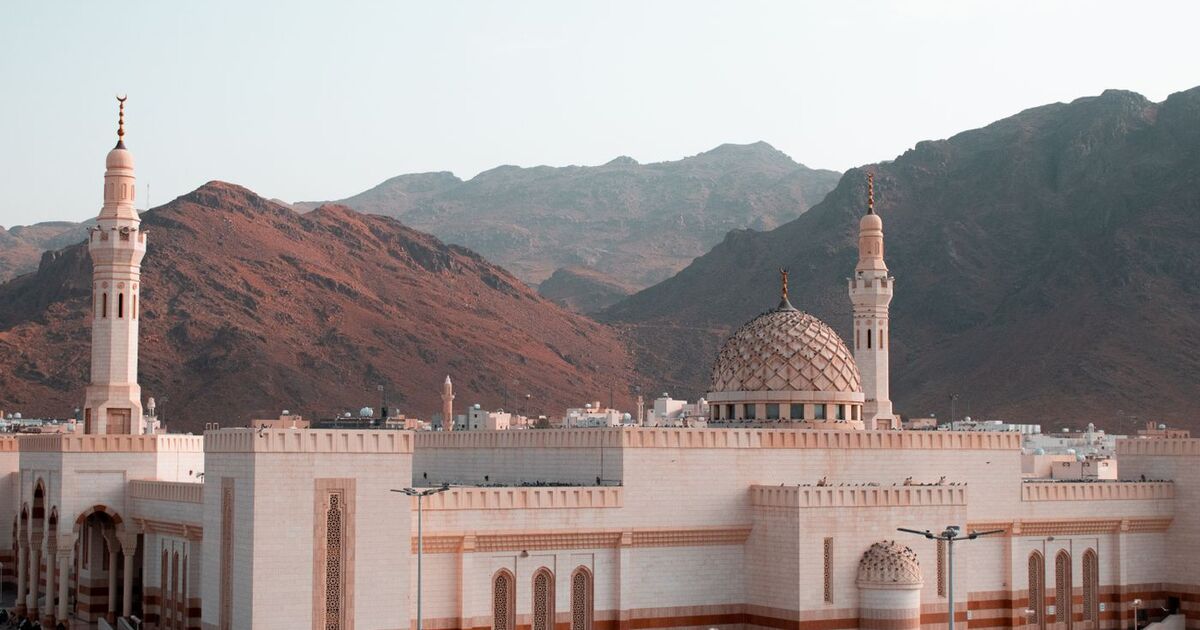
The discovery of oil in 1938 transformed Saudi Arabia from a nomadic society into a hyper-modern welfare state. This rapid wealth shock amplified traditional hierarchies, leading to a Power Distance score of 95, one of the world's highest, cementing a unique blend of religious conservatism with futuristic ambition.
The Data: Decoding Saudi Arabia's Cultural DNA
Before we dive into the sand dunes and skyscrapers, let's look at the numbers. Culture isn't just vibes; it can be measured. Using the pioneering 6-D Model from social psychologist Geert Hofstede, we can get a data-driven snapshot of a nation's collective mindset. For Saudi Arabia, the numbers tell a fascinating story of a society shaped by extreme forces.
First up is Power Distance (PDI), and Saudi Arabia scores a sky-high 95 out of 100. This isn't just high; it's one of the highest on the planet. It signifies a culture where inequalities are accepted, and a strict hierarchy is the norm. People expect and accept that power is distributed unequally—a reality massively amplified when the monarchy became the sole distributor of unimaginable oil wealth. Next, with a low score of 25 on Individualism (IDV), Saudi culture is deeply collectivist. It's a 'we' culture, where loyalty to the group—the family, the tribe—trumps individual desires. Oil wealth allowed the state to reinforce this, becoming the ultimate patriarch for the national 'family'.
Then there's Uncertainty Avoidance (UAI), where the Kingdom scores a potent 80. This reflects a society with a low tolerance for ambiguity and a strong need for rules, regulations, and absolute truth. In a world changing at lightning speed, a strict, state-sponsored religious doctrine provided a powerful anchor of certainty. Finally, a moderate score of 52 on Indulgence (IVR) hints at an internal cultural tension. It suggests that while strict norms exist, there's also a capacity for enjoying life and having fun—a cultural thread that the modern Vision 2030 is pulling on with dramatic results (Hofstede Insights, 2023).
| Hofstede Dimension | Saudi Arabia Score | USA Score |
|---|---|---|
| Power Distance (Hierarchy) | 95 | 40 |
| Individualism (I vs. We) | 25 | 91 |
| Masculinity (Competition) | 60 | 62 |
| Uncertainty Avoidance (Rules) | 80 | 46 |
| Long Term Orientation (Future) | 36 | 26 |
| Indulgence (Fun) | 52 | 68 |
A History of Oil Shocks and Cultural Whiplash in the Kingdom
To grasp the scale of the transformation, you have to picture Saudi Arabia before 1938. It wasn't a country in the modern sense. It was a vast, arid kingdom patched together by King Abdulaziz Al Saud, populated by nomadic tribes, and sustained by the meager revenue from the Hajj pilgrimage. Life was harsh, local, and had changed little for centuries. Then, American geologists from Standard Oil struck black gold at Dammam No. 7. The world changed overnight, but the culture didn't—not at first.
The real shockwave hit after World War II and exploded during the 1973 oil crisis. When OPEC nations, led by Saudi Arabia, embargoed oil shipments, prices quadrupled. State revenue rocketed from a few billion to tens of billions of dollars annually. As historian Madawi Al-Rasheed notes, this wasn't earned income; it was 'rent' collected on a geological lottery ticket (Al-Rasheed, 2010). This gusher of cash allowed the monarchy to build a modern state from scratch in a single generation. Highways, airports, hospitals, and universities rose from the desert. Millions of Saudis were moved from nomadic life into settled, urban environments. It was an unparalleled national experiment in hyper-development, compressing 200 years of Western industrialization into about 30 years. This speed created immense cultural whiplash, forcing a society to grapple with modernity while clinging desperately to its traditional identity for stability.
How Oil Money Rewired the Saudi Social Contract
Oil didn't just build roads; it engineered a new society. Sociologists and political scientists call Saudi Arabia a prime example of a 'rentier state'. This is a state that lives off unearned 'rents' from natural resources, rather than taxes from its citizens. This simple economic fact has profound social consequences. When the government doesn't need your tax money, it doesn't need your political consent either. This is the bedrock of the modern Saudi social contract: the state provides cradle-to-grave welfare—free healthcare, free education, subsidized housing, public sector jobs—and in return, citizens offer their political loyalty and stay out of governance.
This arrangement supercharged the country's already high Power Distance, making the state the ultimate provider and patriarch. The oil wealth also created a unique labor market. The physically demanding work of building the country was outsourced to millions of foreign expatriate workers. Meanwhile, a large portion of the Saudi citizenry was absorbed into comfortable, often bureaucratic, government jobs. This created new social stratifications and a culture where private-sector ambition was not always prioritized. The family structure was also transformed. While the tribe and extended family remained central (as seen in the low Individualism score of 25), the move to cities and villas created a new consumerist, nuclear-family lifestyle, creating a hybrid of modern living layered over traditional obligations.
The "So Religious" Stereotype: What Everyone Misses About Saudi Conservatism
The most persistent stereotype about Saudi Arabia is that it's a timeless, unchanging bastion of religious fundamentalism. The 'So Religious' tag implies that its culture is static, dictated solely by a monolithic interpretation of Islam. But this view misses the critical role of oil in shaping modern Saudi religious life. The alliance between the ruling Al Saud family and the conservative Wahhabi religious establishment predates oil, but it was oil wealth that cemented it and exported it globally.
In the 20th century, the monarchy used its unimaginable oil revenues to fund the religious police, build mosques, and support clerical institutions on a massive scale (Hertog, 2011). This wasn't just about faith; it was a political strategy. In a country undergoing bewilderingly rapid change, the rigid certainty offered by the religious establishment was a powerful tool for social control and legitimacy. It perfectly explains the high Uncertainty Avoidance score of 80; the state provided a clear, uncompromising set of rules to navigate a new and confusing world. The myth is that this was an organic, ancient cultural expression. The reality is that it was a modern political project, a specific interpretation of Islam chosen, funded, and amplified by the state to manage the disruptive effects of its own oil wealth. This state-sponsored version of religion often overshadowed other, more diverse Islamic traditions that had existed in the Arabian Peninsula for centuries.
The Big Picture: Saudi Arabia and the Global 'Resource Curse' Pattern
The Saudi story, while unique in its scale, is not an isolated phenomenon. It fits a well-documented global pattern known as the 'Resource Curse' or the 'paradox of plenty'. Coined by economist Richard Auty in the 1990s, the theory observes that countries with an abundance of natural resources often have worse economic and political outcomes than countries without. Instead of fostering growth, the sudden wealth can stifle other sectors of the economy, breed corruption, and entrench authoritarian rule.
Hofstede's data for Saudi Arabia provides a cultural blueprint of the Resource Curse in action. The extreme Power Distance (95) is a classic symptom: resource wealth flows to a small elite, widening the gap between rulers and the ruled. The high Uncertainty Avoidance (80) reflects a society where the state uses its wealth to impose rigid control and suppress dissent to maintain stability. We see variations of this pattern across the globe, from oil-rich states in the Gulf to mineral-rich nations in Africa and Latin America. The low score on Long-Term Orientation (36) is also telling. It suggests a focus on the present and past, with a cultural tendency to spend wealth on immediate status and gratification rather than long-term investment in a diversified future—the very problem Vision 2030 is now designed to solve.
Vision 2030: Is Saudi Arabia Hacking Its Own Cultural Code?
Today, the Kingdom is in the midst of another seismic shift, perhaps as profound as the discovery of oil itself. Crown Prince Mohammed bin Salman's Vision 2030 is a radical blueprint to wean the country off its oil addiction and catapult it into a diversified, globalized future. But it's more than an economic plan; it's a deliberate act of cultural re-engineering. The old social contract is being torn up. Subsidies are being cut, taxes are being introduced, and the state is pushing citizens toward the private sector. The rentier state is being dismantled, piece by piece.
In its place, a new contract is being offered. In exchange for greater economic responsibility, citizens are being granted new social freedoms. Women can drive, cinemas and concerts are commonplace, and the power of the religious police has been curtailed. This is a direct assault on the high Uncertainty Avoidance (UAI 80) that defined the old system. The state is now the primary engine of social change, actively injecting the kind of novelty and ambiguity it once suppressed. This shift leverages the culture's latent Indulgence (IVR 52), unleashing a pent-up demand for entertainment and consumerism. The ultimate question is whether this top-down revolution can succeed. Can a culture defined by the top-down distribution of oil wealth transform into one defined by bottom-up innovation and productivity? Saudi Arabia is betting its entire future that it can.
Frequently Asked Questions
The government's immense power stems directly from oil wealth. By controlling the nation's primary resource, it became the sole source of prosperity, creating a 'rentier state' where it doesn't need to tax citizens. This financial independence allows it to fund a massive welfare system and security apparatus, reinforcing a culture with extremely high Power Distance (a score of 95).
Yes, dramatically, but from a very low baseline. Under Vision 2030, women have gained the right to drive, travel without a male guardian's permission, and their participation in the workforce has more than doubled. However, challenges remain, and the changes are state-mandated from the top-down rather than the result of grassroots activism, which remains suppressed.
The House of Saud's wealth is directly tied to the nationalization of the country's oil industry. After discovering oil in 1938 with American partners, Saudi Arabia gradually took full control of the state oil company, ARAMCO, by 1980. As the rulers of the country with the world's second-largest proven oil reserves, the family's wealth grew to be one of the largest in the world.
Support is not monolithic. The rapid social changes are very popular with the country's large youth population, who are eager for new opportunities and entertainment. However, more conservative and older segments of the population are often uneasy with the speed of change and the erosion of traditions they value. Public dissent is heavily restricted, making the full spectrum of opinion difficult to gauge.
This is the existential question that Vision 2030 is designed to answer. The entire plan is a high-stakes gamble to transform the economy and national identity before oil becomes obsolete or runs out. If successful, Saudi culture will shift from one based on state patronage and religious conservatism to one centered on global commerce, technology, tourism, and a new form of national pride.