Finland Is the 'Happiest' Country on Earth. So Why Don't They Look Happy?
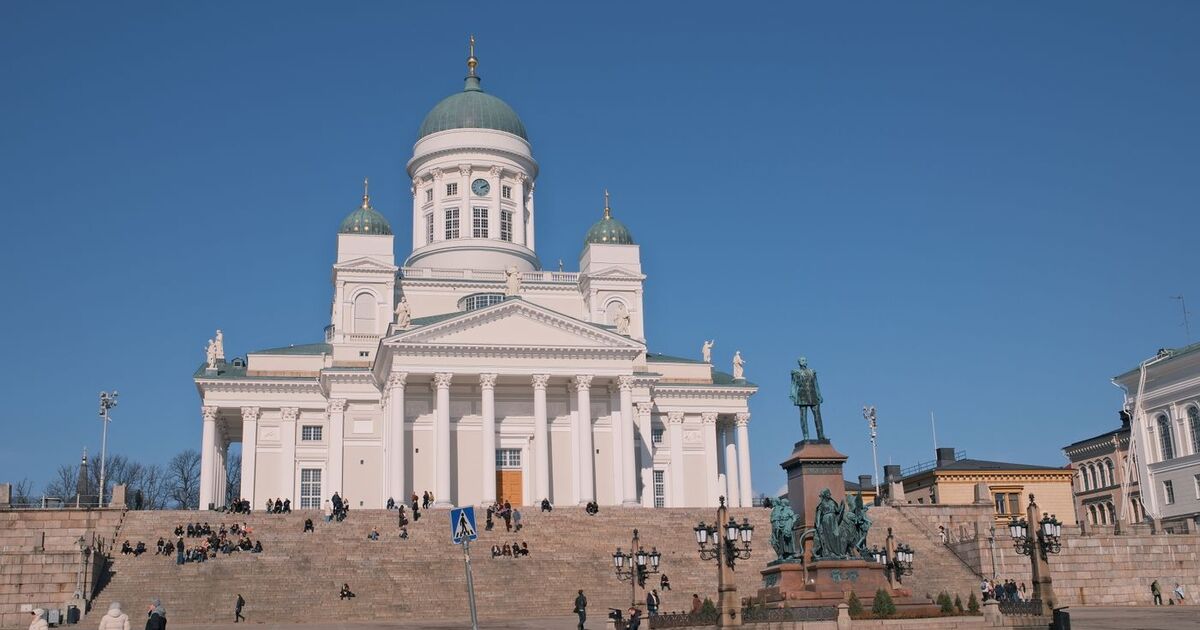
For an incredible seven consecutive years, Finland has been crowned the happiest country by the World Happiness Report. This isn't about giddy joy; it's about a society built on high trust, a strong welfare state, and a deep sense of contentment that minimizes life's biggest stressors, from healthcare to education.
The Data Behind Finland's So-Called Happiness
Let's get one thing straight: when a report crowns a country 'the happiest,' it’s not because researchers went around with a cosmic 'smile-o-meter.' For seven straight years, the UN's World Happiness Report has placed Finland at number one. But this ranking isn't about euphoric highs or constant cheerfulness. It’s a measure of life evaluation, built on a foundation of cold, hard data. The report analyzes six key variables: GDP per capita, social support, healthy life expectancy, freedom to make life choices, generosity, and perceptions of corruption. In these areas, Finland consistently crushes it. Finns can rely on their neighbors and institutions (social support). They live long, healthy lives. They feel free to chart their own course. And critically, they perceive very low levels of corruption in government and business. This creates an environment of profound trust and predictability. When you know the ambulance will come, your wallet will be returned if lost, and your leaders aren't skimming off the top, a huge cognitive load of daily anxiety is simply lifted. So, the 'happiness' measured here is less 'woo-hoo!' and more 'phew.' It's the quiet satisfaction of knowing the system works, for everyone. This distinction is the key to understanding the entire Finnish phenomenon.
| Metric | Finland's Strength |
|---|---|
| Social Support | High levels of trust in neighbors and institutions. |
| Freedom | Strong personal and political liberties. |
| Low Corruption | One of the lowest perceived corruption levels globally. |
| GDP & Health | Strong economy and high healthy life expectancy. |
Forged in Ice: The Historical Roots of Finnish 'Sisu'
To understand the Finnish psyche, you have to look at a map and a history book. Sandwiched between Sweden and Russia, Finland has spent centuries carving out its identity against the odds. Long, brutal winters weren't just an inconvenience; they were a matter of life and death, forcing a culture of pragmatism, planning, and self-reliance. This environment bred a concept central to being Finnish: sisu. There's no perfect English translation, but it’s a powerful blend of courage, resilience, grit, and stubborn perseverance. It’s the spirit that allowed 350,000 Finns to hold off over a million Soviet soldiers during the 1939 Winter War. Sisu means you don't complain; you just get the job done. This historical conditioning has profound implications for the modern definition of Finnish happiness. A culture that venerates stoic endurance isn't one that's going to prioritize performative glee. The goal wasn't to be happy-go-lucky; it was to survive and build a stable society. This history also baked in a deep-seated need for social cohesion. When facing down a massive neighbor or a deadly blizzard, you have to trust the people around you. This reliance on one another became the bedrock of the high-trust society that pollsters for the World Happiness Report find so impressive today. The Finnish welfare state didn't emerge from a vacuum; it's a modern extension of the age-old understanding that everyone must be looked after for the group to survive.
The Sociology of the Nordic Model in Finland
If you want to understand Finnish contentment, look no further than their social structure. Finland operates under the Nordic Model, a socio-economic system that can seem paradoxical to outsiders. It pairs a robust capitalist economy with a massive social safety net funded by high taxes. The philosophy is simple: invest in people. Higher education is tuition-free. Healthcare is a universal right. Parental leave is generous for all parents. Childcare is heavily subsidized. This isn't about government handouts; it's a societal agreement. Finns generally don't mind their high tax rates because they see a tangible return on their investment every single day. Their kids get a world-class education without accumulating debt. A medical emergency won't lead to bankruptcy. Losing a job doesn't mean losing your home. As sociologist Katja Kynsilehto from the University of Tampere argues, this system is designed to minimize 'unfreedoms.' It liberates citizens from the paralyzing fear of misfortune, allowing them to pursue their goals, take entrepreneurial risks, and live with a baseline of security that is unimaginable in many other developed nations. This societal architecture doesn't guarantee joy, but it's exceptionally effective at preventing misery. It’s a system engineered for satisfaction and stability, creating a high floor through which almost no one can fall.
What Everyone Gets Wrong About Finnish Happiness
Here’s where the stereotype crashes into reality. People hear 'happiest country' and picture a nation of beaming, back-slapping extroverts. The reality is... not that. Finns are famously reserved, they cherish their personal space (just look up the memes about Finns at bus stops), and they generally view small talk as an unnecessary expenditure of energy. The cultural misunderstanding comes from a translation issue: the English word 'happiness' implies an active, expressed emotion. The Finnish concept of 'onni' is closer to a quiet, fortunate state of being. It's subtle and internal. Furthermore, the 'happiest country' label masks some of Finland's very real social challenges. According to reports from the OECD, Finland has a relatively high rate of antidepressant use among developed nations. This doesn't necessarily mean they are sadder, but it does indicate a willingness to seek treatment for mental health, a topic that is far less stigmatized than in many other cultures. Historically, Finland also contended with high suicide rates, though these have fallen dramatically since the 1990s due to effective public health campaigns (Statistics Finland). The idyllic image of a perfectly content society is a caricature. The truth is more nuanced: it's a society that provides immense structural support, allowing for a stable life, but one where individuals still grapple with the full spectrum of human emotion, often in a quiet, stoic manner.
Decoding the Finnish Cultural Code with Hofstede's Dimensions
To really get under the hood of Finnish culture, we need a framework. Enter Geert Hofstede's cultural dimensions, a tool that helps us decode national tendencies. Finland's scores are incredibly revealing. They score low on Power Distance (33), indicating a flat social hierarchy where bosses are coaches, not commanders, and trusting institutions is the norm. Their high Individualism score (63) might seem contradictory, but it's an individualism of self-reliance, not of selfishness; you're expected to pull your own weight within a system that supports you. But the magic number is the Masculinity score: a mere 26. In Hofstede's model, this doesn't relate to gender roles but to societal values. 'Masculine' societies prioritize competition, achievement, and material success. 'Feminine' societies, like Finland, prioritize cooperation, modesty, and quality of life. This is the secret sauce. A culture hard-wired to value work-life balance, social equality, and caring for the weak is a culture designed for well-being. This low score explains the emphasis on reasonable work hours, extensive holidays, and the societal consensus that a good life is about more than a big paycheck. Their score for Uncertainty Avoidance (59) is moderate, suggesting they appreciate rules and structure (which enables their high-functioning society) but aren't paralyzed by change. This specific combination of cultural values, especially the low Masculinity, creates a pattern of social behavior that directly feeds into the metrics measured by the World Happiness Report.
Finland's Modern Reality: From 'Kalsarikänni' to Global Tech Hub
So what does this happy, contented, yet reserved culture look like in the 21st century? It's a fascinating blend of quiet introspection and high-tech innovation. On one hand, you have quintessentially Finnish concepts like 'kalsarikänni,' which literally translates to 'pantsdrunk'—the act of drinking at home in your underwear with no intention of going out. Far from being a cry for help, it's celebrated as a form of ultimate relaxation and authentic, unpretentious self-care. It perfectly encapsulates the Finnish appreciation for quiet, private contentment, free from social pressure. On the other hand, this is the same nation that gave the world Linux, Nokia's mobile revolution, and gaming giants like Supercell (Clash of Clans) and Rovio (Angry Birds). This isn't a contradiction; it's a feature. A society that guarantees a high quality of life and removes existential dread gives its citizens the psychological and financial security to innovate and take creative risks. The deep cultural connection to nature remains a powerful force. With over 70% of the country covered in forest and boasting 188,000 lakes, Finns recharge by retreating to a summer cottage ('mökki') for silence, saunas, and swimming. This modern reality is a balancing act: a globally connected, digitally advanced society that still holds dear the ancient traditions of solitude, nature, and the quiet satisfaction of a life well-lived, even if it's just in your underwear with a cold beer.
Frequently Asked Questions
Generally, no. In Finnish culture, smiling is reserved for genuine moments of happiness, not as a social pleasantry. A Finn's smile is earned. Their reserved nature is often mistaken for coldness, but it's more about sincerity and authenticity.
Finland's education system is world-renowned because it is built on principles of equity, professionalism, and holistic well-being. Teachers are highly qualified and respected, there is very little standardized testing, and the focus is on learning and play, not competition. It is also entirely publicly funded, from daycare through university.
'Sisu' is a core Finnish concept that doesn't have a direct English equivalent. It's a mix of stoic determination, tenacity, grit, and courage. It's about facing adversity with resilience and perseverance without complaint. It was heavily romanticized during the Winter War against the Soviet Union.
While it's a stereotype, Finnish culture does value traits often associated with introversion, such as personal space, silence, and thoughtful communication over small talk. This doesn't mean all Finns are introverts, but the cultural norm is less overtly social than in many Western cultures.
Yes, Finland can be expensive, particularly for things like alcohol and dining out. However, the high cost of living is offset by high wages and the comprehensive public services (like healthcare and education) that are funded by taxes, reducing the need for private spending on these major life costs.