From Katana to Keyboard: How Japan's Warrior Spirit Shaped the Modern Salaryman
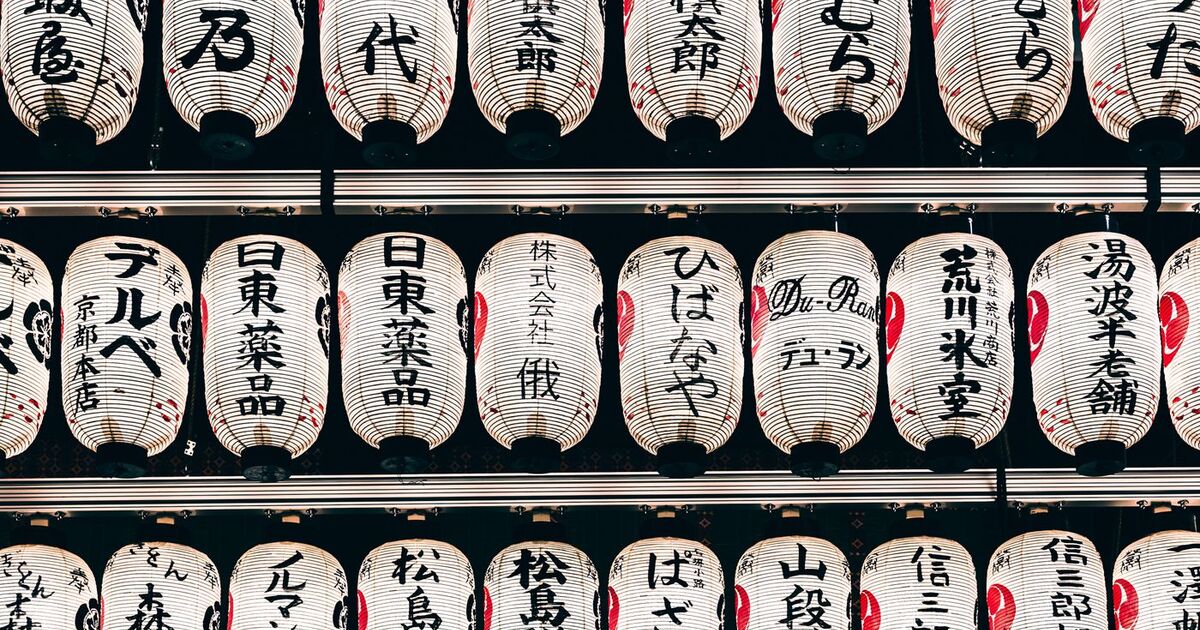
Japan's modern work culture is a direct, albeit transformed, heir to its feudal past. The samurai's disciplined loyalty and drive for mastery morphed into the salaryman's intense dedication to the company, fueled by a powerful sense of collective responsibility and a staggering 1607 average working hours per year (OECD, 2023).
The Data Drop: Why Japan Still Works Like It's Waging War
When you hear "Japanese work ethic," you likely picture long hours and unwavering dedication. The data doesn't disappoint: the average Japanese worker clocks 1607 hours per year (OECD, 2023). This isn't just about punching in; it's a deep-seated "work-ethic" (YesContext Internal Data, 2024) that has underpinned the nation's economic success.
Despite the grind, Japan boasts an impressive life expectancy of 84.8 years (World Bank, 2023), one of the highest globally. The nation is also highly urbanized, with 91.9% of its population in cities (World Bank, 2023), concentrating this intense workforce in bustling metropolitan hubs. While its GDP per capita stands at a respectable 33815 USD (World Bank, 2023), the Gini index of 33.4 (World Bank, 2021) suggests a relatively equitable distribution of wealth, perhaps a byproduct of collective striving. Interestingly, the trust index registers at 36% (WVS, 2022), hinting at complexities beneath the surface of a highly structured society.
| Metric | Value | Unit | Source |
|---|---|---|---|
| Working Hours | 1607 | hours/year | OECD (2023) |
| GDP per Capita | 33815 | USD | World Bank (2023) |
| Life Expectancy | 84.8 | years | World Bank (2023) |
| Urbanization | 91.9 | % | World Bank (2023) |
| Trust Index | 36 | % | WVS (2022) |
| Gini Index | 33.4 | index | World Bank (2021) |
From Katana to Keyboard: A (Very) Brief History of Japan's Reinvention
To understand the modern Japanese salaryman, you need to rewind a few centuries to the samurai. The samurai class, bound by the code of Bushido, embodied discipline, loyalty to their lord, self-sacrifice, and an unrelenting pursuit of mastery. When the Meiji Restoration in the mid-19th century dismantled the feudal system, Japan underwent rapid industrialization and modernization. Many former samurai, stripped of their swords, transitioned into roles in the burgeoning bureaucracy, military, and industry.
This fundamental ethos of dedication and collective effort didn't vanish; it simply redirected. After the devastation of World War II, Japan faced monumental rebuilding. The "post-war-recovery" (YesContext Internal Data, 2024) became a national imperative, fueled by the same disciplined, collective spirit that once defined its warrior class. Companies became the new domains, corporate loyalty the new fealty, and economic prowess the new battlefield. The salaryman emerged as the modern-day foot soldier in this ongoing quest for national strength and prestige.
The Psyche of the Salaryman: Honour, Harmony, and High Scores
Peeling back the layers of the salaryman’s psyche reveals a fascinating interplay of cultural values, perfectly illustrated by Hofstede's Dimensions. Japan scores incredibly high on Masculinity (95) (Hofstede Insights). This isn't just about gender; it signifies a society driven by competition, achievement, success, and a clear distinction between gender roles. It’s the modern-day echo of the samurai’s drive for victory and honor.
Compounding this is Japan’s high score in Uncertainty Avoidance (92) (Hofstede Insights), meaning there's a strong need for rules, structure, and meticulous planning. This translates into rigid corporate hierarchies and a preference for predictable career paths. Furthermore, a high Long-Term Orientation (88) (Hofstede Insights) emphasizes perseverance and investing in the future, often at the expense of immediate gratification. This fuels the "education-obsession" (YesContext Internal Data, 2024) seen in Japanese society, where hard work in school is a long-term investment in a stable career.
Finally, with an Individualism score of 46 (Hofstede Insights), Japan leans collectivistic. Group harmony and loyalty are paramount. The company isn't just an employer; it's a surrogate family, demanding allegiance akin to that of a feudal lord. Individual needs often take a backseat to the collective success of the group, shaping the intense "work-ethic" (YesContext Internal Data, 2024) that defines the salaryman.
Myth Busted: Is 'Working Hard' Really 'Working Smart'?
The stereotype of the Japanese worker is often that of a perpetually overworked automaton, mindlessly toiling away. While the long hours are certainly real – 1607 per year (OECD, 2023) is no small feat – this narrative misses a crucial nuance. The drive isn't just mindless toil but a deep-seated pursuit of perfection and efficiency, famously embodied by the concept of kaizen or continuous improvement.
The societal concern over karoshi (death by overwork) isn't a celebration of extreme work, but rather a tragic byproduct and a clear indication of a society grappling with its own relentless pace. There are ongoing, albeit slow, efforts to promote work-life balance and address mental health, even if cultural inertia remains strong. Moreover, the paradox of high work intensity alongside an impressive life expectancy of 84.8 years (World Bank, 2023) suggests that factors beyond raw hours contribute to wellbeing, or that the intensity is concentrated in specific life phases or job types. The "work too hard" label (YesContext Internal Data, 2024), while accurate for many, doesn't capture the entire picture of Japanese productivity or evolving societal goals.
The Global Grind: Japan's Work Ethic Isn't So Unique
While Japan's work culture often feels singularly intense, its trajectory of national recovery and economic prowess driven by a fierce work ethic is hardly unique. We see similar patterns in other East Asian "tiger economies" like South Korea, Taiwan, and Singapore, which also leverage "confucian-values" (YesContext Internal Data, 2024) emphasizing duty, hierarchy, and education as catalysts for collective advancement.
Even post-war reconstruction in Europe involved periods of intense national effort, demonstrating that collective societal rebuilding often necessitates significant personal sacrifice. The global phenomenon of "hustle culture" and the blurring lines between work and life show that intense work isn't exclusive to one nation. The key difference often lies in the specific social contract surrounding work, the degree of corporate paternalism, and how deeply traditional values are intertwined with modern economic imperatives. Japan’s blend is distinct, but the underlying drive for achievement and stability is a universal human pattern, intensified by specific historical and cultural factors.
Frequently Asked Questions
No, 'salaryman' is generally a neutral term for a white-collar worker in Japan, though it carries strong connotations of intense dedication, corporate loyalty, and often personal sacrifice for the company's success.
While long hours are prevalent in many corporate sectors, especially among men, it's not universal. Efforts to promote work-life balance are growing, particularly among younger generations, and many smaller companies or service industries may have different working patterns. There's also a distinction between actual working hours and time spent at the office.
The 'samurai spirit' influences various aspects of modern Japanese society, including the dedication to craft (shokunin), stoicism, resilience, and a deep respect for tradition, hierarchy, and meticulous attention to detail in fields ranging from sports and arts to hospitality and customer service.
Karoshi translates to 'death by overwork' and is a recognized social phenomenon in Japan. It refers to fatalities resulting from work-related stress, heart attacks, strokes, or suicide due to excessive working hours and the immense pressure placed on employees.
Japan's trust index (36%, WVS, 2022) refers to generalized trust in others. While collectivistic societies often exhibit strong in-group trust, this figure can reflect a cautious approach to broader societal trust, perhaps a result of a highly structured and hierarchical society where trust might be more institutionally mediated rather than freely extended.