Bloody Oath! Why Do Australians Swear Like Sailors (Even When They're Not)?
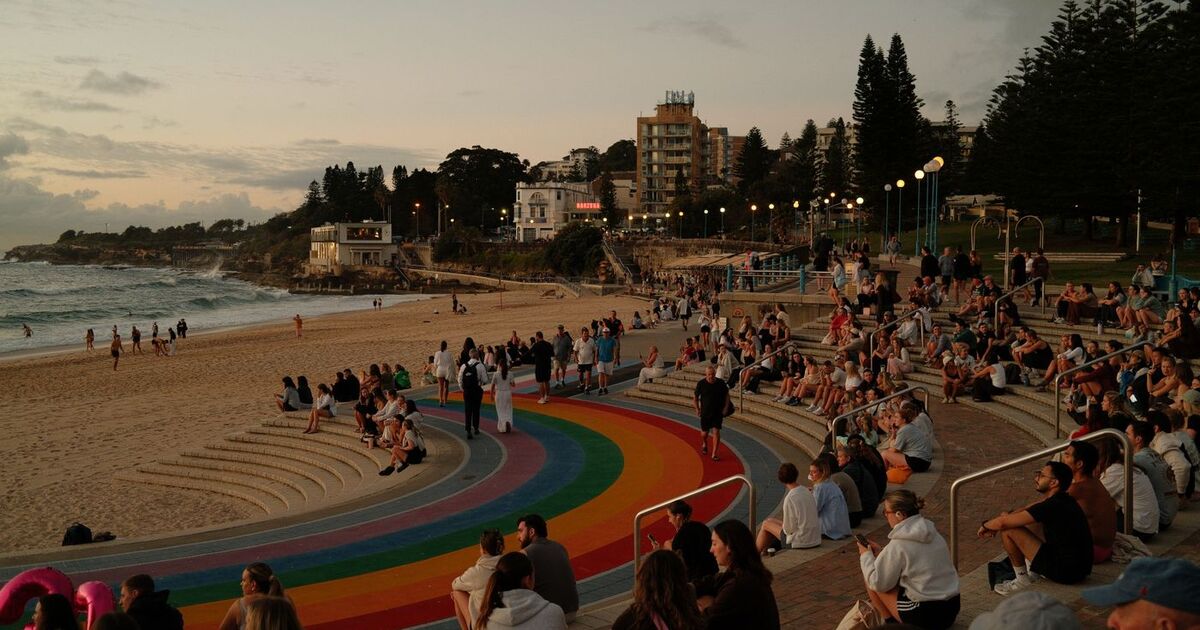
Australians’ prolific use of 'colorful language' isn't just a habit; it's deeply wired into their culture, reflecting low power distance (Hofstede PDI: 38) and high individualism. Swearing often functions as a social lubricant, a marker of authenticity, and a sign of mateship, rather than pure aggression, distinguishing their usage from many other cultures.
The Data Doesn't Lie (Usually): Demystifying Aussie Mouths
Alright, let's kick things off with some cold, hard data, because what’s a cultural deep-dive without it? While there's no official 'swear count' per nationality (sadly, we checked, and yescontext.com would fund that study), we can look to frameworks like Hofstede Dimensions to peel back the layers of the Aussie psyche and get some context.
Australia scores a whopping 90 on Individualism (IDV), according to Hofstede Insights (Source 1). That's right up there with the most individualistic nations globally. What does this mean for language? It often translates to direct communication, a valuing of personal expression, and less emphasis on group harmony through polite platitudes. When you value speaking your mind, sometimes that mind speaks a little... crudely.
Then there's Power Distance (PDI), where Australia clocks in at 38 (Source 1). This low score means Australians generally prefer equality, challenge authority, and don't care much for formal hierarchies. Compare that to countries with high PDI where deference and polite language are paramount in interactions. In Australia, the boss, the barista, and your best mate might all be called a 'bloody legend' – or a 'bloody idiot' – with equal affection (or lack thereof).
And just for a bit more spice, let's throw in Indulgence (IVR) at 71 (Source 1). High indulgence cultures tend to allow relatively free gratification of basic human drives related to enjoying life and having fun. Suppressing natural impulses, like letting rip with a 'bugger,' isn't high on the priority list.
| Dimension | Australia Score | What it means for language |
|---|---|---|
| Power Distance (PDI) | 38 (Low) | Less deference to authority; informality is king. |
| Individualism (IDV) | 90 (High) | Direct communication; personal expression valued. |
| Masculinity (MAS) | 61 (Mid-High) | Assertiveness, performance, success (can include direct speech). |
| Uncertainty Avoidance (UAI) | 51 (Mid) | Relatively comfortable with ambiguity, less rigid rules. |
| Long Term Orientation (LTO) | 21 (Low) | Focus on tradition, less on future planning (not directly related to swearing). |
| Indulgence (IVR) | 71 (High) | Free expression of impulses; enjoying life. |
From Convicts to Comrades: A Profane Pedigree
You can't talk about Australian culture without talking about its origins. Forget the pristine beaches for a sec and let’s dive into the grit. Australia's identity is inextricably linked to its convict past. Sent from Britain for often petty crimes, these early settlers developed a formidable anti-authoritarian streak. They were the ultimate outsiders, challenging the established order from day one.
This historical context forged a cultural resilience and a deep-seated distrust of pomposity and pretension. Swearing became a linguistic tool, a badge of authenticity, a way to show you were 'one of us,' not some hoity-toity bloke trying to put on airs. It was a rejection of the polite, rigid class structures of the motherland and an embrace of a rough-and-ready egalitarianism. If you couldn't handle a 'bugger' or a 'bastard,' you probably weren't cut out for the harsh realities of the bush.
This legacy of irreverence has filtered down through generations, making colourful language not just acceptable, but often celebrated, as part of the national character. It’s a linguistic echo of fighting the good fight, even if that fight is now just against Monday mornings.
Mateship & Modern Mayhem: Swearing as Social Glue
Beyond history, sociology offers a cracking perspective. In Australia, swearing isn't always aggressive. In fact, it's often the opposite: a sign of trust and intimacy. Think about it. Do you use your most formal language with your closest friends? Probably not. For Australians, calling your mate a 'flamin’ galah' or a 'bloody legend' can be an endearment, a way to signal closeness and mutual respect within a casual, informal social structure.
This ties into the powerful concept of 'mateship,' a core tenet of Australian identity. Mateship is about loyalty, equality, and mutual support, often expressed in a laid-back, no-frills manner. Formal language can feel cold, distant, even pretentious. Swearing, paradoxically, can bridge that gap, making interactions feel more genuine and less guarded. It’s a linguistic shortcut to saying, 'I trust you enough to be myself.'
So, next time you hear an Aussie drop an F-bomb, consider the context. Are they genuinely angry, or are they simply emphasizing a point, sharing a laugh, or expressing exasperation with the subtlety of a sledgehammer? More often than not, it's the latter.
What The Heck? Debunking the 'Arrogant' Myth
Here’s where things get interesting and the stereotype 'So Arrogant' (as noted in behavioral info) gets a serious challenge. Many outsiders perceive Australian frankness, directness, and liberal use of profanity as arrogance or aggression. 'Why are they so arrogant?' is a common, if misguided, question (Source 2).
But this misses a crucial point: the *intent* behind the language. An Aussie might call you a 'bloody idiot' for a minor mishap, but it’s often said with a wry smile, a playful tone, and zero actual malice. It's a form of verbal jousting, a way to poke fun without being genuinely hurtful. The 'imperial-legacy' tag on behavior info might suggest a kind of cultural dominance (Source 2), but in the context of swearing, it's more about internal cultural pride in being direct and unpretentious.
The mistake is applying another culture's linguistic rules to Australian communication. What might be considered deeply offensive or arrogant in a high-context, high-power-distance culture (where formal language is a sign of respect) is simply a part of the everyday, low-context, low-power-distance social fabric in Australia. It’s not arrogance; it’s just how they talk, and often, it’s a sign they feel comfortable enough around you to be their unfiltered selves.
Global Grime: Swearing Beyond the Sunshine Coast
So, is Australia unique in its swearing ways? Not entirely. While the specifics are culturally distinct, the underlying patterns of language reflecting societal values are universal. Cultures with low Power Distance (like the Nordics, or Israel, also with low PDI scores) often exhibit more informal communication styles, where formal titles and polite linguistic structures are less rigidly adhered to.
Similarly, high Individualism (like the USA or UK, also high IDV scores) often correlates with direct communication, where expressing one's honest opinion (even with strong language) is valued over nuanced, indirect phrasing. Compare this to cultures with high PDI and low IDV (many Asian and Latin American countries), where maintaining 'face,' respecting elders, and using highly formal language are paramount. In these contexts, swearing would be profoundly shocking and disrespectful.
Australia's unique blend of these dimensions, coupled with its distinct history and social constructs like mateship, creates a particular flavor of profanity. It’s a reminder that language is a living artifact, constantly evolving, mirroring the values and quirks of the people who speak it. The Aussie swear-a-thon isn't an anomaly; it's a vibrant, sometimes vulgar, testament to their unique cultural DNA.
Frequently Asked Questions
While hard data on 'swear frequency' is scarce, cultural observation suggests Australians incorporate profanity into everyday speech more readily and with broader contexts than many other cultures. It's less about raw count and more about its diverse social functions.
It depends entirely on the context and company. Swearing in formal settings, with strangers, or with genuine malice is generally considered rude. However, among friends, family, or in casual social situations, it's often tolerated, or even seen as a sign of authenticity and closeness. It's a nuanced cultural code.
Absolutely. Mateship, a core tenet of Australian identity emphasizing loyalty, equality, and informality, is deeply intertwined with how Australians use language. Swearing can be a sign of trust and camaraderie, reinforcing bonds rather than causing offense, particularly among 'mates.'
While there are general national trends, like any large country, there can be subtle regional variations. However, the overarching cultural acceptance of profanity as part of informal communication is widespread across Australian states and territories. Rural areas might lean into 'bush' slang more, but the general ethos remains.
Australia's low PDI (38) means there's less emphasis on formal hierarchy and deference to authority. This translates into more informal communication, where the use of 'strong language' is less likely to be seen as disrespectful and more as a natural part of casual, egalitarian interactions, even across perceived social strata.